Introduction: More Than Just a Sweet Treat, It’s a Tradition
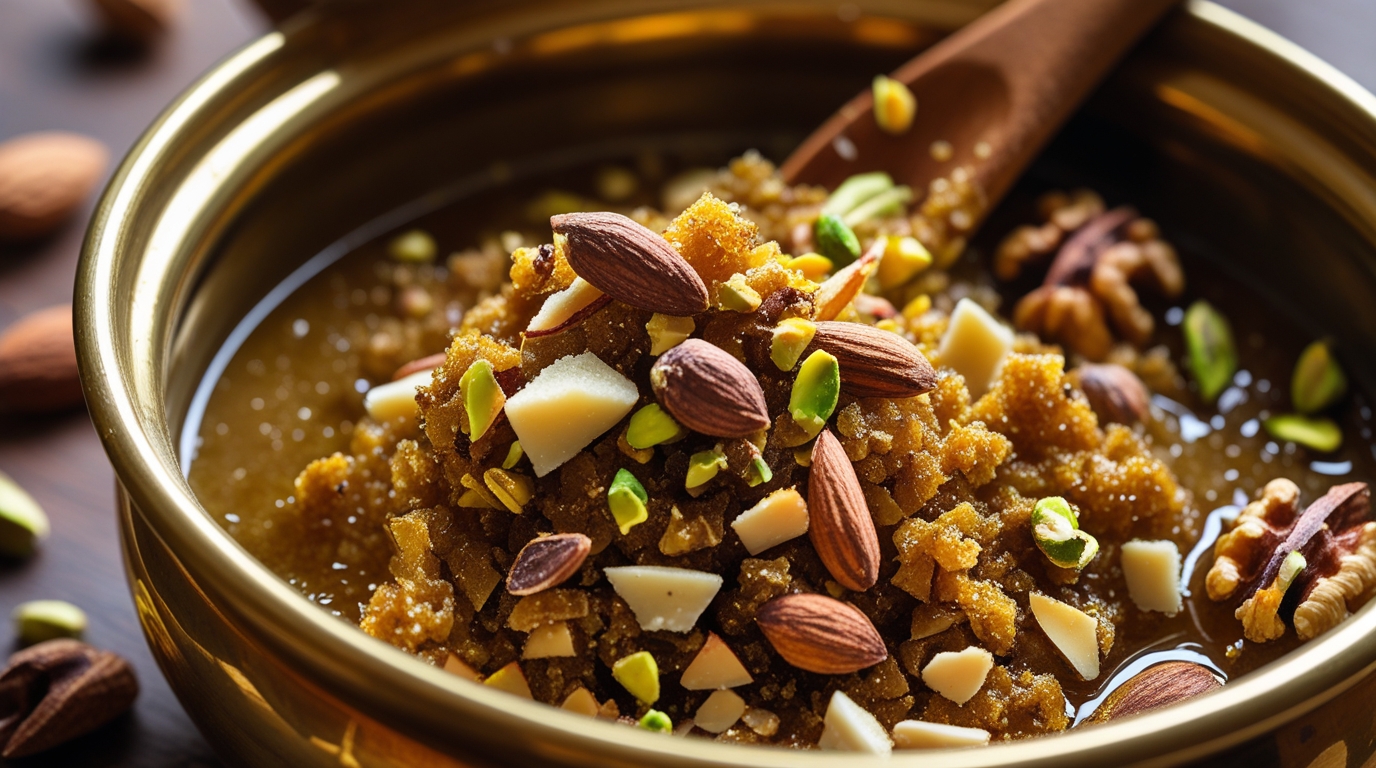
Punjabi Panjiri Recipe : Friends, in the biting cold of winter, when you crave sunshine and something warm to eat, a distinctive aroma wafting from Punjabi kitchens captivates everyone. This aroma is that of Punjabi Panjiri – a traditional dish that is a treasure trove of both taste and health. It’s not just a sweet made with nuts and flour; it’s a symbol of generational wisdom, a secret weapon against the cold, and a source of nourishment for new mothers. Today, we take you on this delicious journey.
Our chefs say that in the olden days, there were no doctors, and no refrigerators either. Our grandmothers were our doctors. They taught us that eating panjiri in winter keeps the body warm, maintains energy levels, and keeps illnesses at bay. Modern research also confirms this.
What is Panjiri and its Significance?
Panjiri is a dry, crumbly sweet dish primarily made with roasted wheat flour, ghee, sugar or jaggery, and a generous amount of dry fruits and seeds. It is also offered as ‘prasad’ (religious offering), but its true identity lies in being a nutritious superfood.
Read More: Ultimate 5-Minute Peanut Chikki Recipe: Unlock the Magic of Crunchy Perfection!
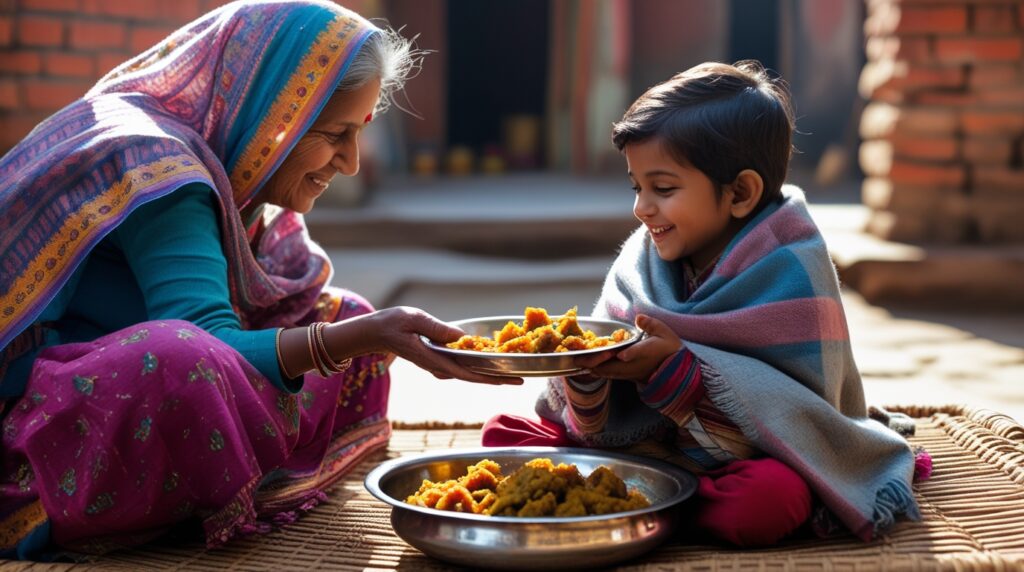
Table of Contents
Ingredients for Authentic Punjabi Panjiri Recipe
The chefs emphasize, “The purity and proportion of the ingredients are the key to successful panjiri.”
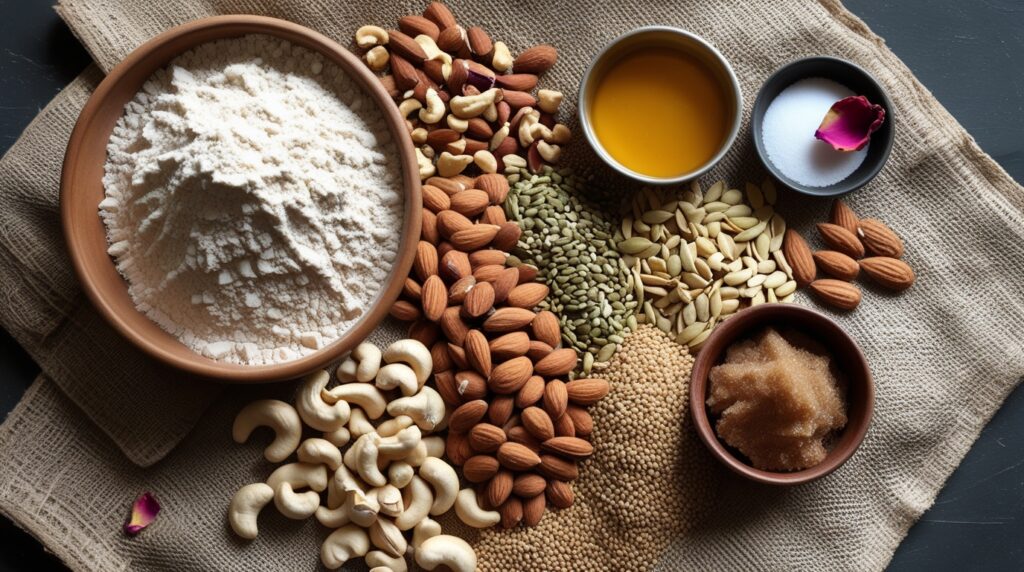
- 1 cup Roasted Wheat Flour – This is the base of the panjiri. Use ‘Sathi ka atta’ (a type of wheat flour) from the market or roast regular wheat flour on low heat until it turns brown.
- 3/4 cup Powdered Sugar or Jaggery – Powdered sugar improves the texture. Using jaggery provides an even healthier option.
- 1/2 cup Desi Ghee – The key to taste and quality. If there isn’t enough ghee, the panjiri will be dry and tasteless. * Nuts (approximately 1 cup total):
- Almonds – blanched and finely chopped
- Walnuts – finely chopped
- Pistachios – chopped
- Cashews – finely chopped
Read More : 5-Star Banana Bread Pudding Recipe: The Ultimate No-Fail Dessert
Seeds and Spices (this is the magic ingredient): (Punjabi Panjiri Recipe)
- 2 tablespoons Chironji seeds – These seeds have a warming effect and enhance the flavor.
- 2 tablespoons mixed nuts (Mishri Dana) – These look like fennel seeds and aid digestion.
- 1 tablespoon fennel seeds (Saunf) – For a mild sweetness and digestion.
- 1/2 tablespoon dry ginger powder (Sonth powder) – This provides internal warmth to the body, a remedy for colds and coughs.
- 1/4 teaspoon black pepper powder – A small amount improves digestion.
- 1/4 teaspoon ground cardamom (green cardamom powder) – For fragrance.
Optional:
- 2 tablespoons edible gum (Gond) – Especially beneficial for new mothers, strengthens bones. It is used after frying in ghee.
- 1/4 cup grated or desiccated coconut
Step-by-Step Method (Punjabi Panjiri Recipe )
The chef says, “Remember, you don’t have to rush. Making Panjiri is a task that requires patience.”
Step 1: Preparing the Nuts and Seeds
- Lightly roast all the nuts or sauté them in ghee for 2-3 minutes until slightly crispy. Let them cool and then finely chop them.
- Keep the Chironji seeds, Mishri Dana, and fennel seeds separate.
Step 2: Frying the Edible Gum (if using)
- Now heat 1 tablespoon of ghee in a pan. On medium heat, add small pieces of edible gum.
- Fry them until they puff up and turn light golden brown. And take them out and place them on a plate. (Caution: They can burn quickly!)
Step 3: Roasting the Flour (The Most Important Step)
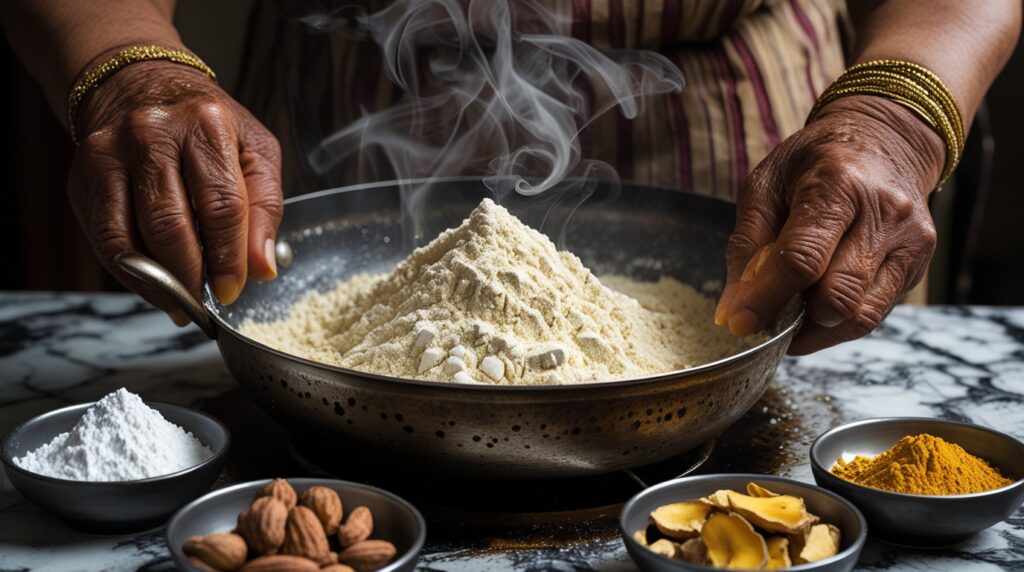
- Friends, add the remaining ghee to the same pan and let it heat up.
- Then add the flour and reduce the heat to medium-low.
- Roast the flour, stirring continuously. This may take 15-20 minutes.
- Chef’s Golden Rule: “Friends, roast the flour until its aroma changes and it turns light brown (golden brown). The ghee will start to separate, and the flour will become lighter.” This is the secret to the delicious taste of Panjiri.
Read More : Smoky 20-Minute Dragon Chicken Recipe: The Spicy Takeout Fakeout!
Step 4: Mixing Everything Together
- Friends, once the flour is roasted, turn off the heat.
- Then immediately add the powdered sugar or jaggery powder. Mix well.
Now add all the roasted nuts, chironji, rock sugar granules, fennel seeds, ginger powder, black pepper powder, and cardamom powder.
Also add the puffed gum and coconut (if using).
Mix everything well so that everything is evenly distributed.
Step 5: Cooling and Storing
Friends, let the mixture cool completely. Do not fill it into containers while still warm, otherwise, moisture may develop.
Once cooled, transfer it to an airtight container. It will easily last for 3-4 weeks at room temperature.
Health Benefits and Scientific Basis of Punjabi Panjiri Recipe
Chef Ji is right; modern science also acknowledges the properties of these traditional ingredients:
Dry Ginger (Sonth): It contains a compound called gingerol, which is considered anti-inflammatory and warming for the body.
Ghee: It helps in the absorption of fat-soluble vitamins (A, D, E, K) and aids digestion.
Almonds and Walnuts: These are rich in Vitamin E, Omega-3 fatty acids, and antioxidants, which boost immunity.
Chironji: In traditional medicine, it is considered warming and energy-boosting.
Important Note: Friends, Panjiri is calorie-dense. It is recommended to consume only 1-2 small teaspoons (20-30 grams) per day. Diabetics should consult their doctor regarding using jaggery or sugar-free alternatives instead of sugar.
Read More : The Ultimate 5-Step Paneer Butter Masala Recipe: Crack The Code to Restaurant-Perfect Bliss
Conclusion: A Legacy of Flavor (Punjabi Panjiri Recipe)
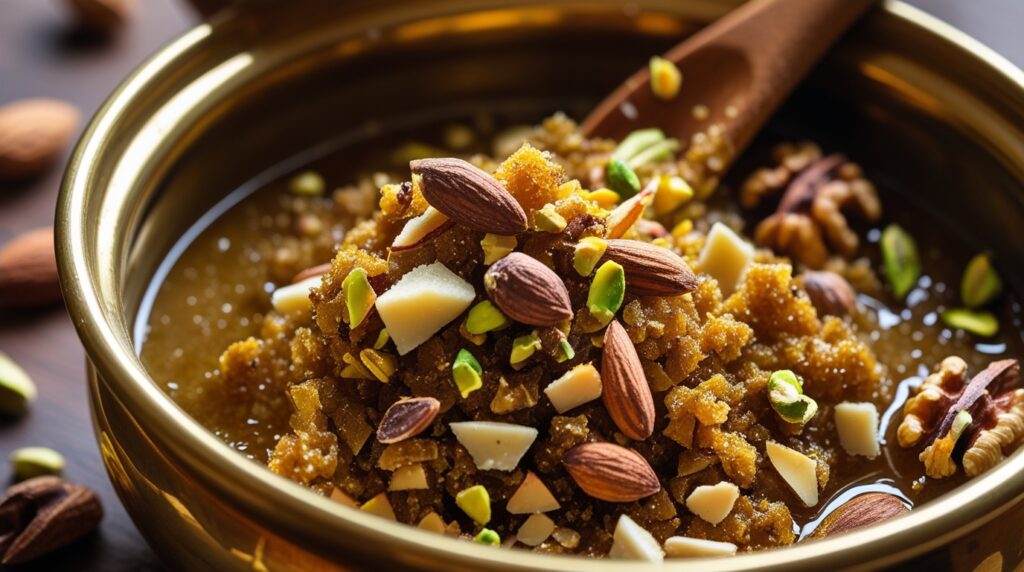
Friends, Punjabi Panjiri is not just a recipe, but a living tradition. It connects us to the wisdom of our elders. It is a natural source of energy during winters, offered to God as prasad, and plays a vital role in postpartum care. Chef Ji’s final words, “Make it, feed your family, and keep telling its story. As long as this knowledge continues, the warmth of our culture will remain.”